

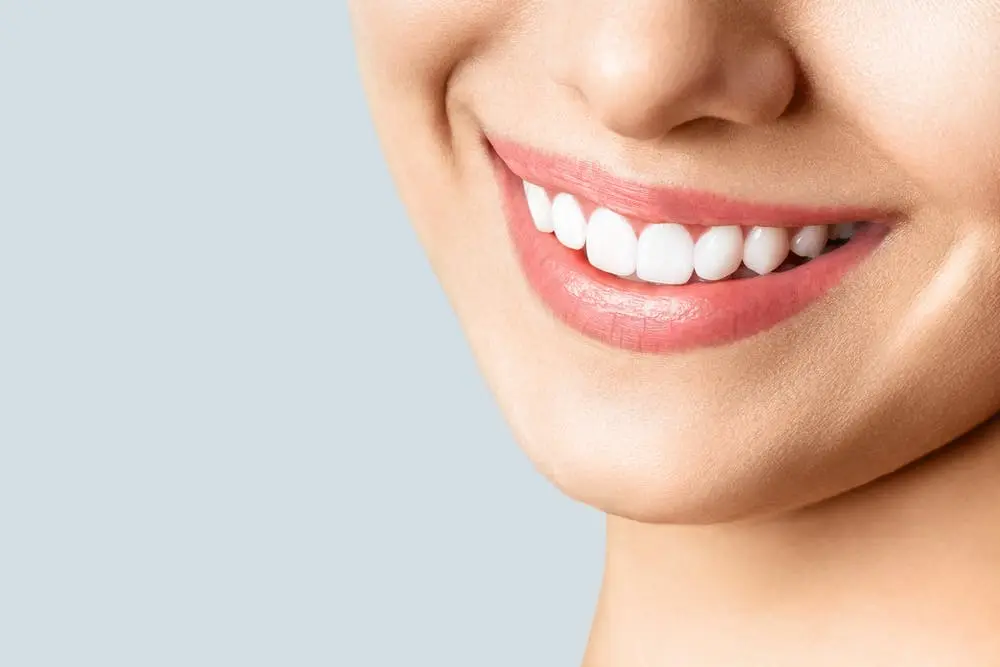
Getting dental veneers is an exciting step toward achieving a beautiful, confident smile. While the results are often life-changing, some patients experience tooth sensitivity after the procedure — a completely normal but sometimes uncomfortable side effect. Understanding why this happens and how to manage it can help you feel more at ease during your smile transformation.
What Is the Process of Getting Veneers?
Veneers are thin shells, typically made of porcelain, that are custom-crafted to cover the front surface of your teeth. The process involves:
- Consultation & planning – Your dentist evaluates your goals and designs a treatment plan.
- Tooth preparation – A small amount of enamel is removed to allow the veneer to fit naturally.
- Impressions – Your dentist takes molds to create perfectly fitted veneers.
- Temporary veneers – Placed while your permanent ones are being made.
- Final placement – Once ready, the veneers are bonded to your teeth using dental cement.
It’s during or after this process — especially the enamel removal — that some people may notice sensitivity.
What Causes Tooth Sensitivity After Veneers?
The main cause of sensitivity is the removal of enamel during preparation. This can temporarily expose the inner layers of the tooth, making them more reactive to hot, cold, sweet, or acidic foods and drinks.
Other potential causes include:
- Irritation of the gum tissue
- Improper fit or bite adjustment
- Bonding material irritating the nerve
- Teeth grinding or clenching (bruxism)
How Long Does Tooth Sensitivity Last?
For most patients, sensitivity after veneers is temporary and subsides within a few days to two weeks as your teeth adjust. If sensitivity persists longer than that or worsens, it’s important to consult your dentist to rule out any underlying issues.
Symptoms Associated with Sensitivity After Veneers
- Sharp pain when eating or drinking something hot or cold
- Discomfort when brushing or flossing
- Occasional “zing” sensations
- Sensitivity in the gums around the veneered teeth
These are usually mild and temporary but can be frustrating if unexpected.
How to Prevent Tooth Sensitivity After Veneers
- Use sensitivity toothpaste with ingredients like potassium nitrate
- Avoid extreme temperature foods for the first few days
- Brush gently with a soft-bristled toothbrush
- Wear a night guard if you grind your teeth
- Follow your dentist’s aftercare instructions closely
Trust the Experts at Veneer Lounge in Frisco
Tooth sensitivity after veneers is common — but manageable, especially when you’re in expert hands. At Veneer Lounge in Frisco, we take extra steps to ensure a comfortable experience from consultation to final results. Our team uses modern techniques, top-quality materials, and personalized care to minimize discomfort and deliver a flawless smile. Book a consultation with Veneer Lounge today and let us help you smile with comfort and confidence.